Essay
GAN Overview
Legacy notes on generative adversarial networks and applications.
Why GAN
- Only involve neural network and back propagation.
- Generate much more realistic and diverse pictures.
- Can control feature(Z) to generate specific data.
- Promising in the field of unsupervised learning.
What is GAN
Generative adversarial networks are a branch of unsupervised machine learning, implemented by a system of two neural networks competing against each other in a zero-sum game framework. They were first introduced by Ian Goodfellow et al. in 2014.
basic structure
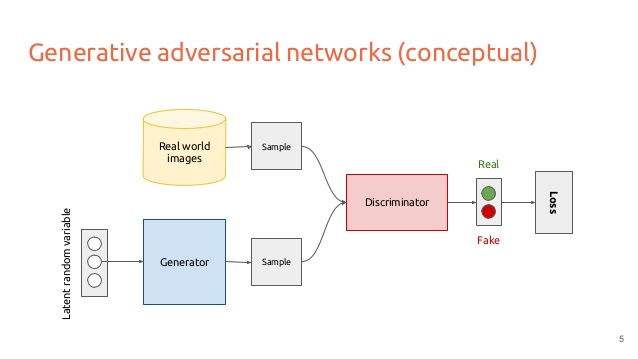
Generator and Discriminator
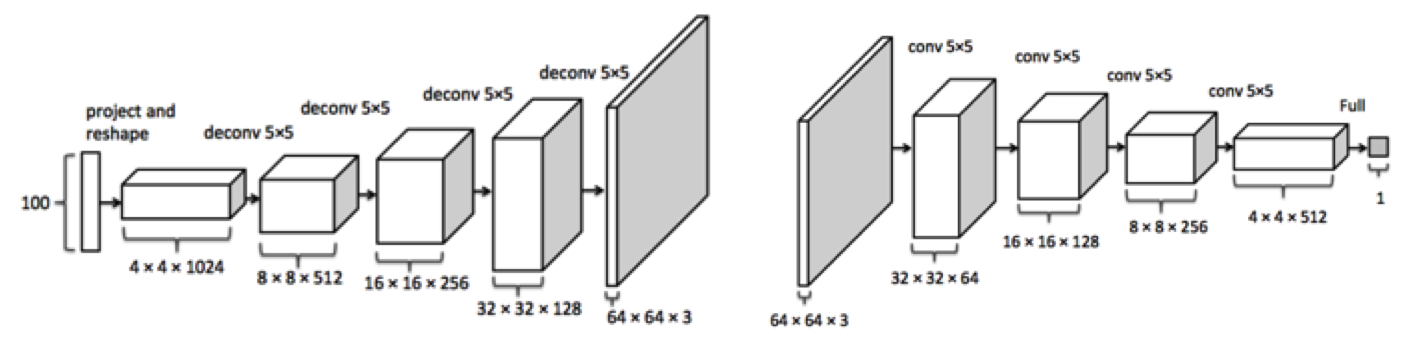 Figure: “Semantic Image Inpainting with Perceptual and Contextual Losses”
Brief Theory
-
If > , then is a point with higher probability of coming from the data than being a generated sample.
-
If < , then has low probability of being a data point, but high probability of being generated by our model.
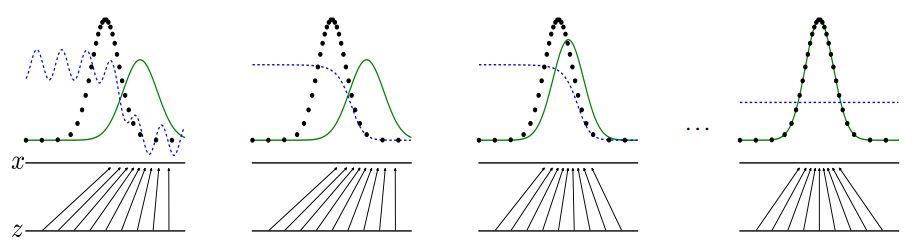 Figure: “Generative Adversarial Nets”
Training Result
- Generator:
- Discriminator:
Detail Proof: “Generative Adversarial Nets”
Applications
Unclassified
DCGAN
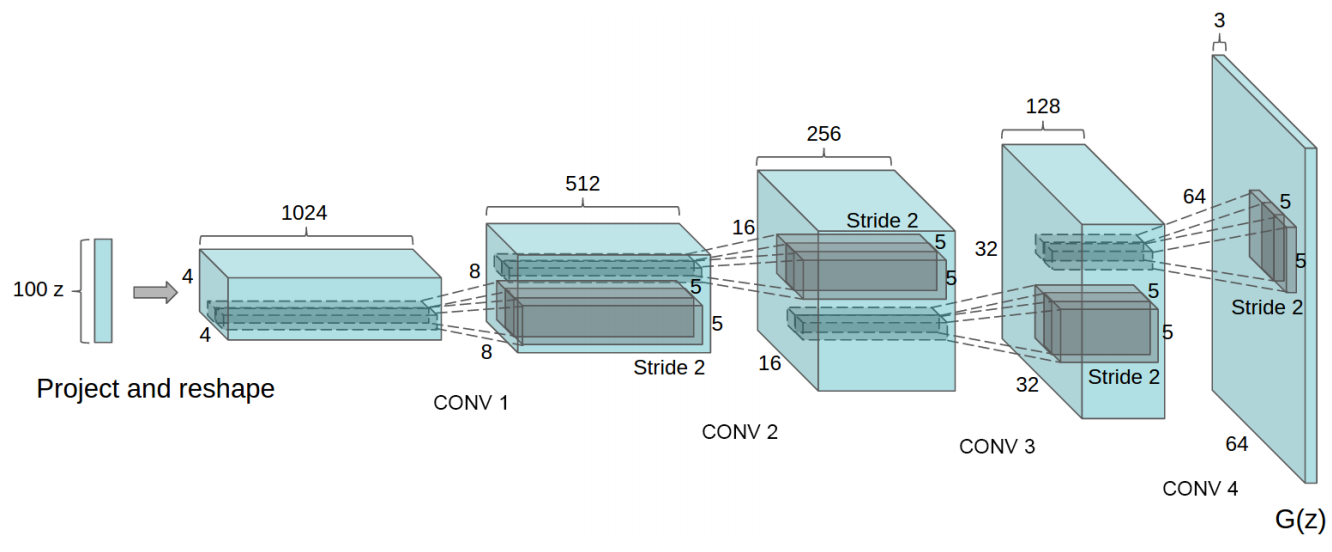
Vector arithmetic on the z input space
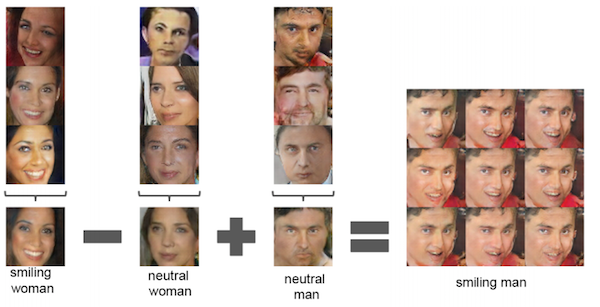 Figure: “Unsupervised Representation Learning with Deep Convolutional Generative Adversarial Networks”
Name confused: deconvolution, transposed convolution, Fractionally Strided Convolution
Conditional adversarial
acGAN
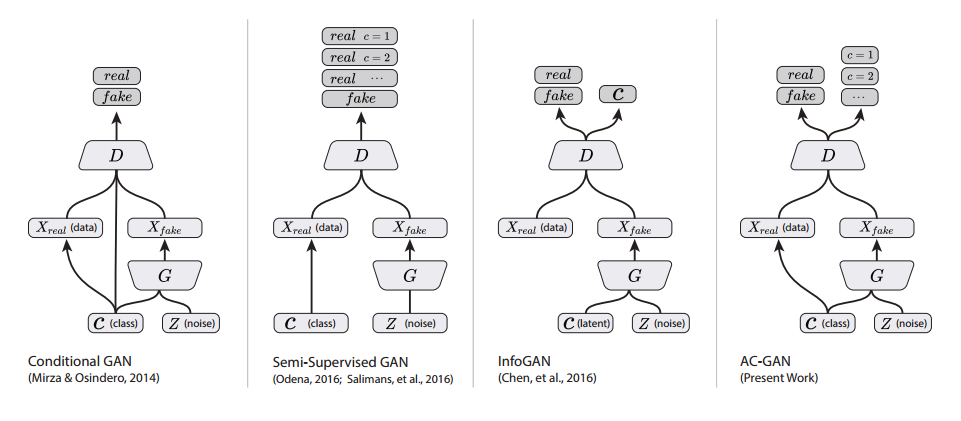 Paper: “Conditional Image Synthesis With Auxiliary Classifier GANs”
image to image
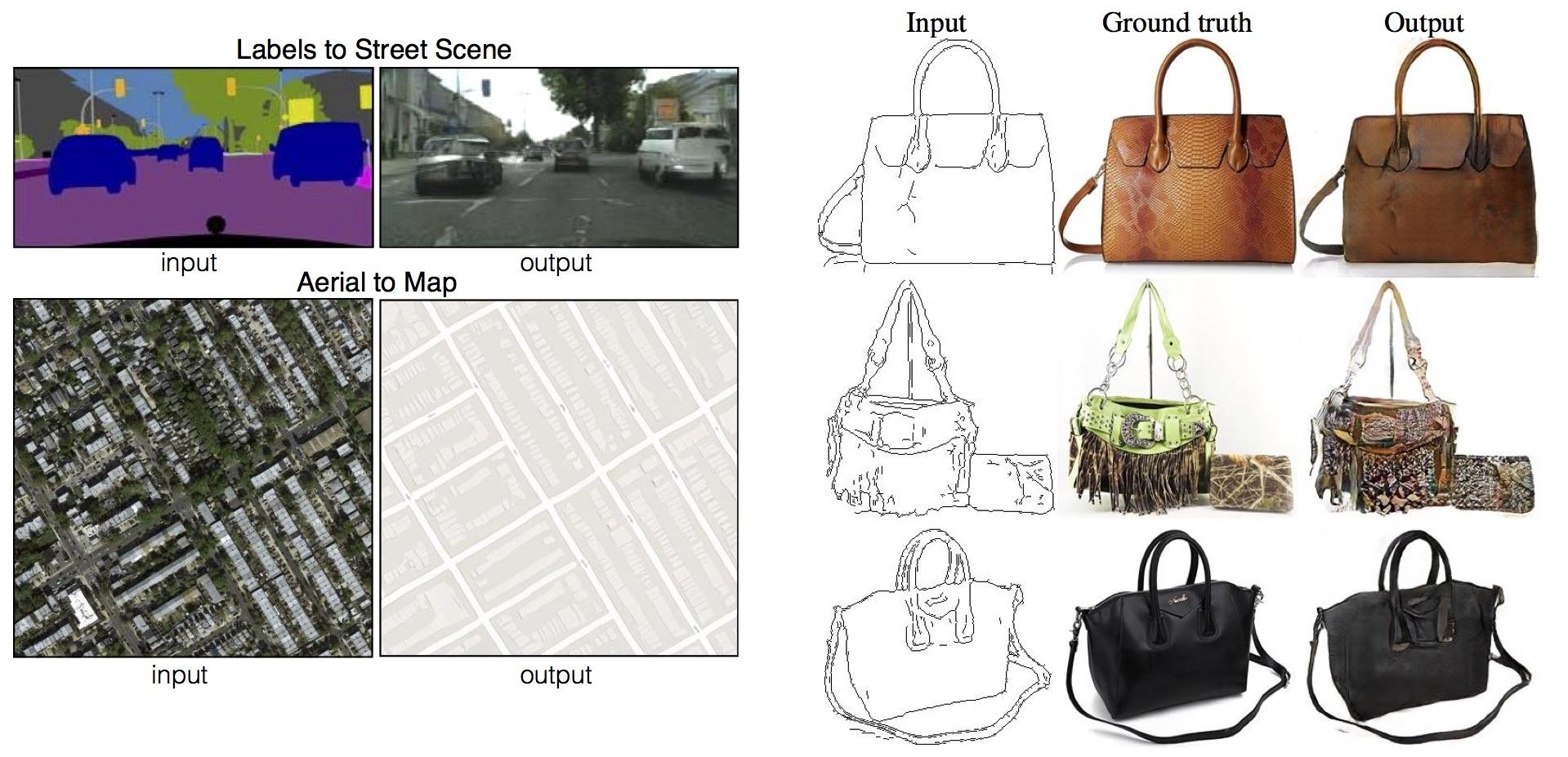
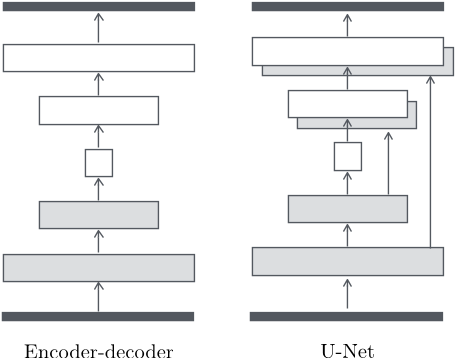
Paper: “Image-to-Image Translation with Conditional Adversarial Networks”
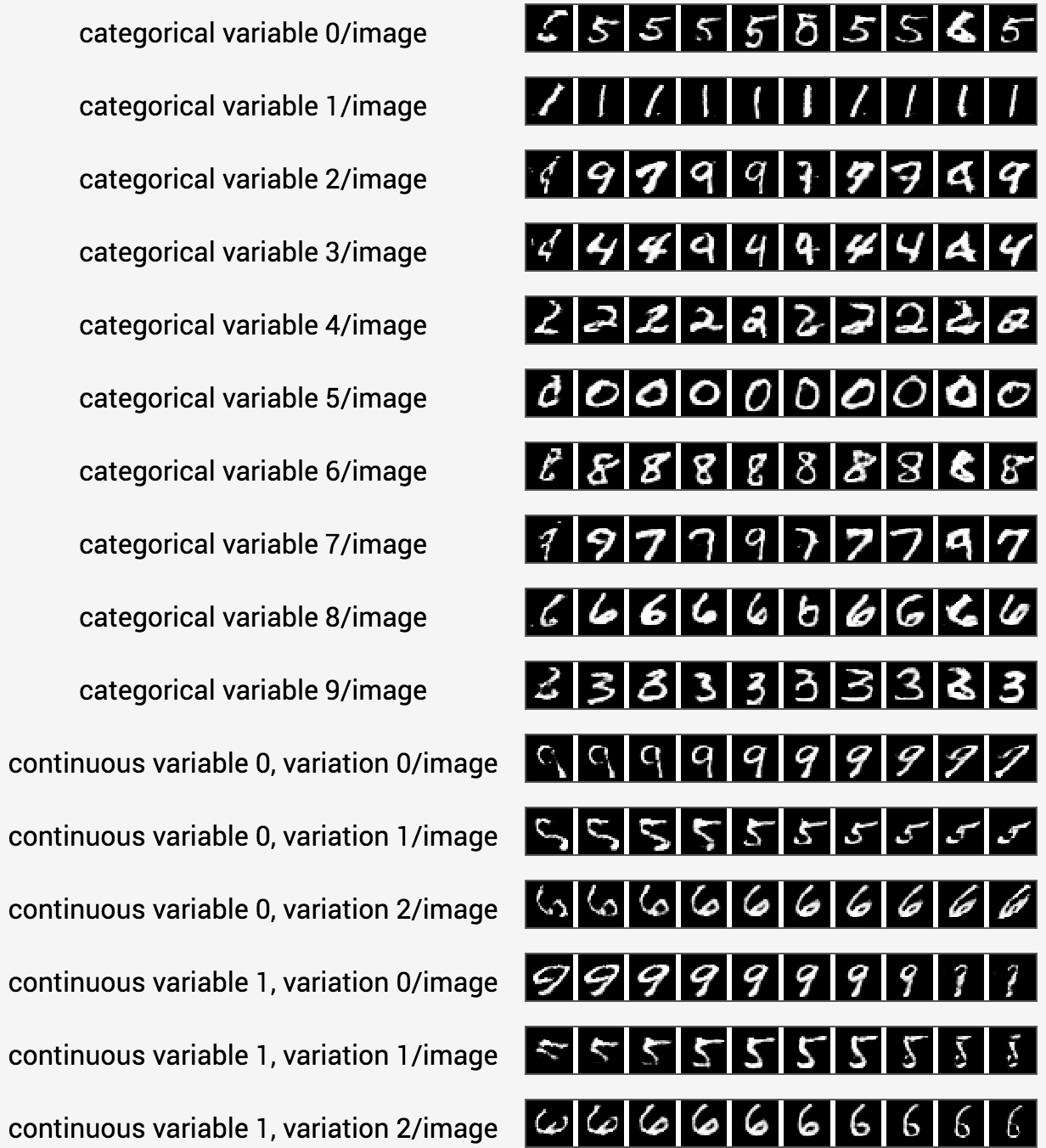
infoGAN
Invertible cGAN
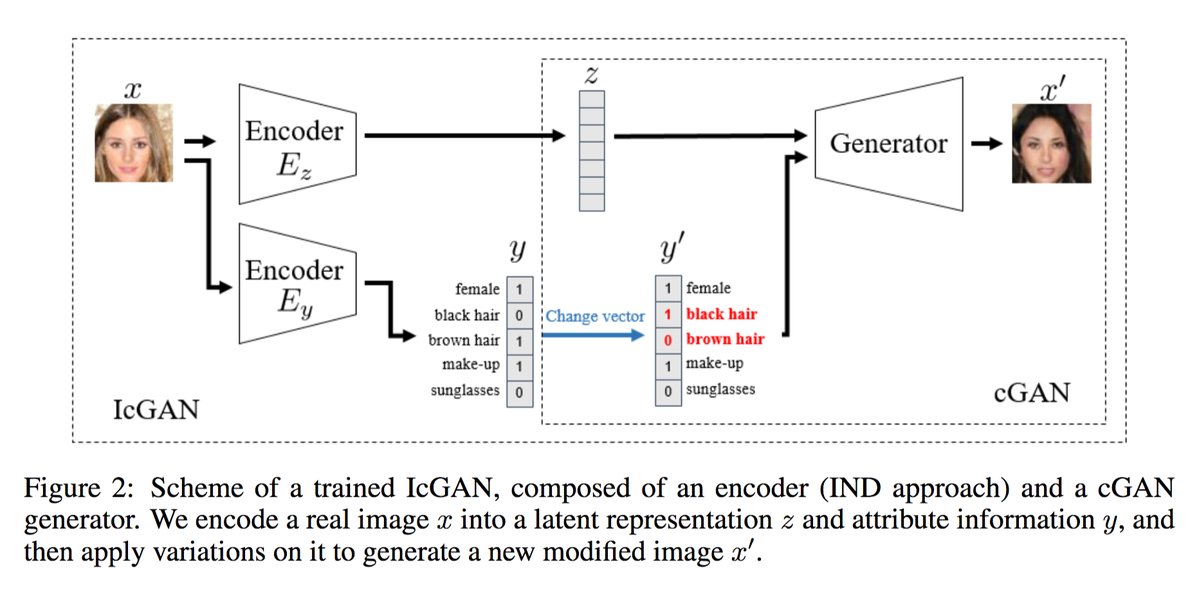 Paper: “Invertible Conditional GANs for image editing”
State of the Art
PPGAN
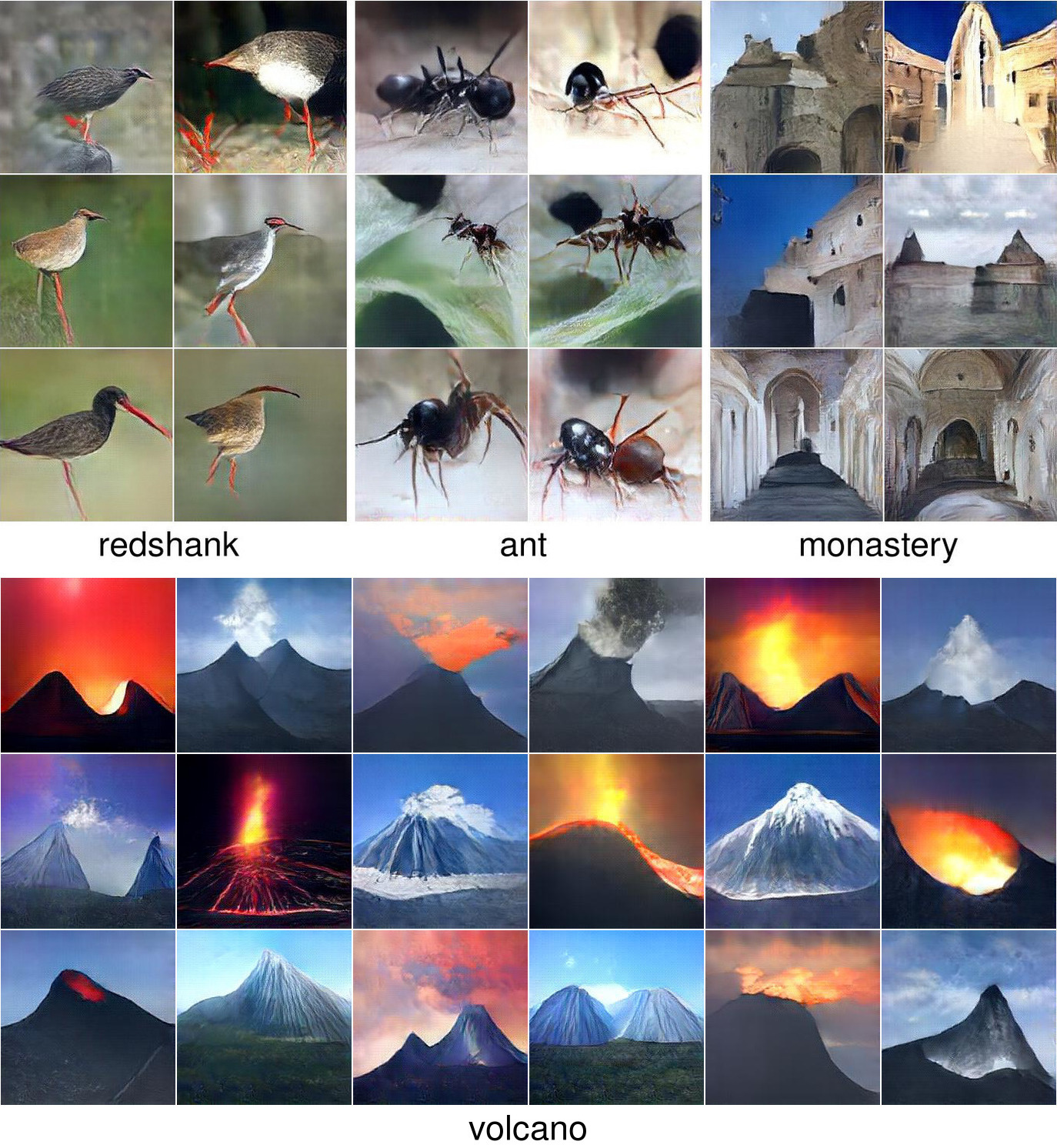 Paper: “Plug & Play Generative Networks: Conditional Iterative Generation of Images in Latent Space”
Theory Breakthrough
Wasserstein GAN
Contribution:
- Explain and solve training instability theoretically and practically.
- Don not need any fancy tricks (even MLP works).
- Have a better indicator to monitor the training process.
- More diverse images generated.
Solution:
- Use different loss function (without log function).
- Weights clip.
- Without optimization involving momentum.
Paper: “Towards Principled Methods for Training Generative Adversarial Networks” Paper: “Wasserstein GAN” Reference: 浠や汉鎷嶆鍙粷鐨刉asserstein GAN
Problems
- What is the right metric to quantify images’ quality?
- Generator hard to generate discrete data (e.g. NLP).
- How can GAN be combined with our current works?
All in one page
zhangqianhui/AdversarialNetsPapers The classical papers and codes about generative adversarial nets